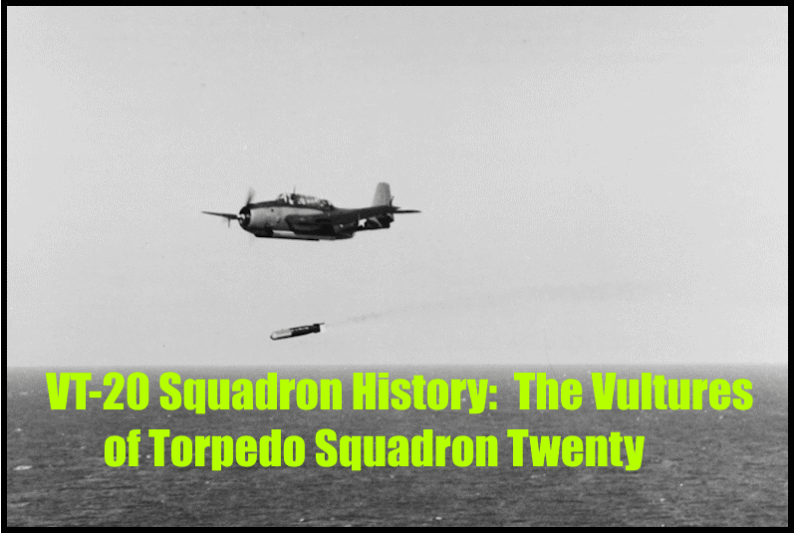
The VT-20 Squadron history is an important chapter in U.S. Naval Aviation and the beginning of the lineage that eventually became the first Attack Squadron 95 (VA-95).
Established during World War II, VT-20 went from stateside training to combat aboard two of the most famous aircraft carriers in Navy history: USS Enterprise (CV-6) and USS Lexington (CV-16). Flying the rugged Grumman/Eastern Aircraft TBM-1C Avenger, VT-20’s aircrews fought across the Pacific. They attacked Japanese airfields, ships, shore installations, and military positions during the American drive toward the Philippines and Japan.
The squadron participated in the Battle of Leyte Gulf, including attacks that contributed to the sinking of the Japanese battleship Musashi. The following day, VT-20 struck the Japanese carrier force during the Battle off Cape Engaño.
After World War II, VT-20 survived the massive reduction of America’s armed forces. On November 15, 1946, it was redesignated Attack Squadron 10A (VA-10A). In 1948, VA-10A became the first squadron designated VA-95.
The VT-20 squadron history lineage was:
VT-20 → VA-10A → VA-95
For anyone interested in VA-95 history, the story really begins here—with the sailors and aircrews of Torpedo Twenty’s VT-20 squadron history.
VT-20 Squadron History: VT-20 Is Established in 1943
VT-20 was established at Naval Air Station San Diego, California, on October 15, 1943. It was formed as part of Carrier Air Group Twenty (CVG-20) during the rapid wartime expansion of Naval Aviation.
The squadron’s first commanding officer was Lieutenant Commander David E. Dressendorfer.
By this stage of World War II, American carrier aviation had changed dramatically from the force that entered the conflict after Pearl Harbor. New Essex-class carriers were joining the fleet, improved aircraft were arriving, and American carrier task forces were preparing to carry the war deeper into Japanese-held territory.
VT-20 was being trained to become part of that offensive.
VT-20 Squadron History: The Vultures of VT-20

VT-20 adopted a colorful squadron insignia featuring a vulture and torpedo.
The Navy approved the insignia in March 1944. Although later histories sometimes refer to VT-20 as the Vultures, the Navy’s official squadron history lists its nickname as unknown.
The insignia was certainly appropriate.
VT-20’s mission was to attack enemy ships and ground targets with one of the most capable carrier attack aircraft of World War II; the Grumman TBF/TBM Avenger.
VT-20 Squadron History: The TBF/TBM Avenger
VT-20’s aircraft was the Avenger.
Originally designed by Grumman as the TBF, production was also undertaken by General Motors’ Eastern Aircraft Division, whose Avengers received the TBM designation.
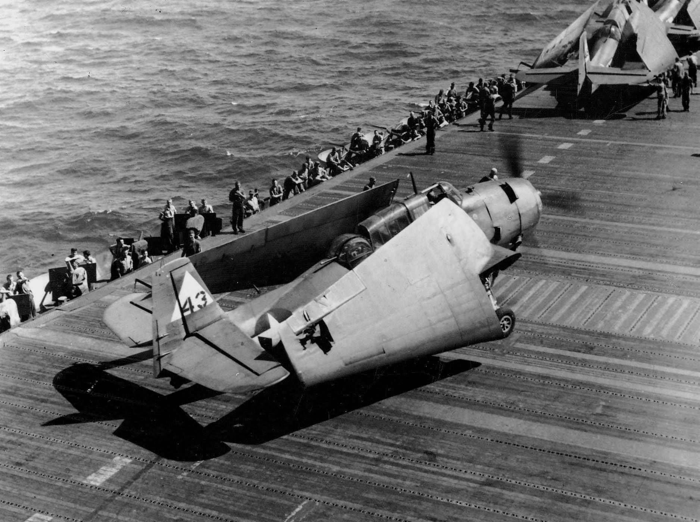
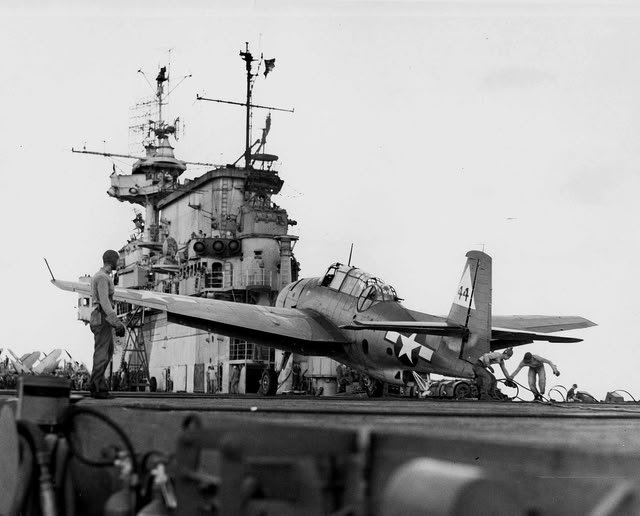
VT-20’s wartime combat deployment is particularly associated with the TBM-1C Avenger. Records from October 1944 show VT-20 aboard Enterprise with approximately 18 TBM-1Cs.
The Avenger was a large three-man carrier aircraft designed around the torpedo attack mission.
But calling it simply a torpedo bomber understates its usefulness. Avengers could carry torpedoes, bombs and other weapons, allowing them to attack enemy ships, airfields, shore installations and transportation targets. The aircraft was rugged, had good range, and could absorb considerable punishment.
By 1944, the Avenger had become one of the workhorses of the Navy’s carrier air groups and VT-20 would put it to good use.
Training for War
VT-20 did not go directly from San Diego into combat. The squadron moved through several training locations as its pilots, aircrew and maintainers prepared for deployment.
The Navy records the squadron’s wartime shore assignments as:
- NAS San Diego — October 15, 1943
- NAS Barbers Point, Hawaii — April 21, 1944
- NAS Puunene, Maui — June 17, 1944
The assignments at Barbers Point and Puunene were temporary training assignments conducted in preparation for combat deployment. The training was about to become very real.
VT-20 Squadron History: VT-20 Goes to War With The USS Enterprise (CV-6)
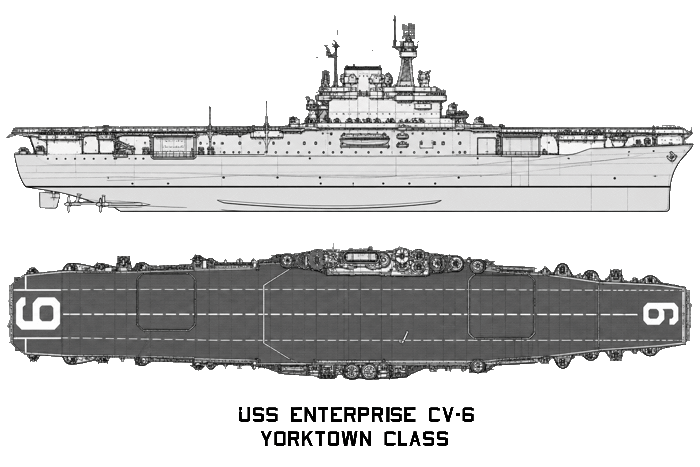
VT-20’s first combat carrier was one of the most famous warships in American history:
USS Enterprise (CV-6).
The legendary “Big E” had already fought through some of the Pacific War’s most important battles before the men of VT-20 arrived.
VT-20 deployed with CVG-20 aboard Enterprise beginning in August 1944. Deployment records place the squadron aboard from August 16 through November 1944, flying TBM-1C Avengers. For VT-20, the months of preparation were over. The squadron was going to war.
Dates: August 16 – approximately November 20/23, 1944
Air Group: Carrier Air Group Twenty
Aircraft: TBM-1C Avenger
Theater: Pacific
Major operations included:
- Chichi Jima and the Bonin Islands
- Palau and Peleliu
- Okinawa
- Formosa
- Luzon
- Battle of Leyte Gulf
- Sibuyan Sea
- Battle off Cape Engaño
VT-20 Squadron History: September 1, 1944: VT-20’s First Combat Mission
VT-20 flew its first combat action on September 1, 1944. The target was Chichi Jima in the Bonin Islands, where squadron aircraft attacked Japanese shore installations.
Later that month, VT-20 participated in strikes against the Palau Islands in preparation for and support of the American landings on Peleliu.
October brought an even more demanding schedule.
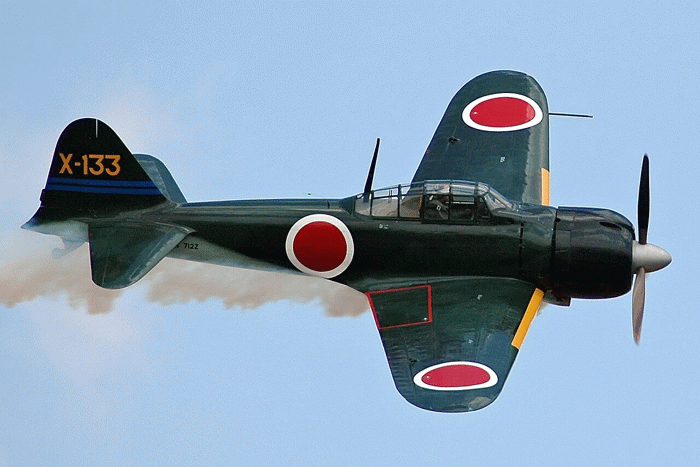
VT-20 attacked targets on Okinawa, Formosa and Luzon as American carrier forces prepared the way for the invasion of Leyte in the Philippines. On October 15, Lieutenant Edward B. Holley was flying a VT-20 TBM over Luzon when he shot down a Japanese Mitsubishi A6M Zero fighter.
But VT-20’s most famous combat action was still ahead.
VT-20 Squadron History: VT-20 and the Battle of Leyte Gulf
On October 24, 1944, VT-20 entered one of the greatest naval battles in history.
The Battle of Leyte Gulf, fought October 23–26, 1944, was the largest naval battle of World War II and history. Torpedo Squadron 20 (VT-20), operating from the USS Enterprise (CV-6) as part of Carrier Air Group 20, played a vital role by launching Grumman TBF and TBM Avenger torpedo strikes against all three major components of the opposing Japanese fleet.
The Battle of Leyte Gulf was a massive Japanese attempt to destroy the American invasion forces supporting the return to the Philippines.
VT-20 as part of Air Group 20 aboard the USS Enterprise (CV-6), which was uniquely credited as the only air group to strike all three incoming Japanese attack forces (Center, Northern, and Southern forces). VT-20’s TBM-1Cs launched from Enterprise to attack a powerful Japanese surface force moving through the Sibuyan Sea.
Among the ships in that force was the enormous Japanese battleship Musashi. Musashi and her sister Yamato were the largest battleships ever constructed. Their massive armor and 18.1-inch main guns made them symbols of Japanese naval power.
American carrier aircraft attacked repeatedly. According to the Navy’s squadron history, attacks by VT-20 contributed to the sinking of Musashi.
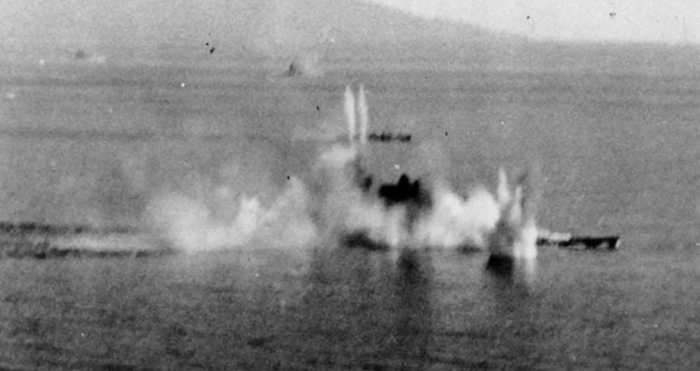
The squadron’s pilots pressed their attacks through intense antiaircraft fire. Eight VT-20 naval aviators received the Navy Cross for their actions against the Japanese surface force that day, including squadron commanding officer LCDR Samuel L. Prickett.
VT-20 had gone from being established in San Diego to helping sink one of the most powerful battleships ever built in little more than a year.
VT-20 Squadron History: October 25: Battle off Cape Engaño
There was little time to celebrate. The next morning, VT-20 went back into combat. On October 25, 1944, aircraft of the Fast Carrier Task Force attacked the Japanese carrier force during the Battle off Cape Engaño.
Four Japanese carriers were sunk during the engagement.
Once again, VT-20 aviators distinguished themselves, and several received Navy Crosses for their actions.In two days, Torpedo Twenty had participated in attacks against Japanese battleships and aircraft carriers during one of the decisive naval battles of World War II.
VT-20 Squadron History: VT-20 Goes to War With The USS Lexington (CV-16)
VT-20’s association with Enterprise ended in November 1944. Instead of returning home, however, the squadron cross-decked to USS Lexington (CV-16). The transfer occurred around November 20–23, 1944, and VT-20 remained in the Pacific aboard Lexington into February 1945.
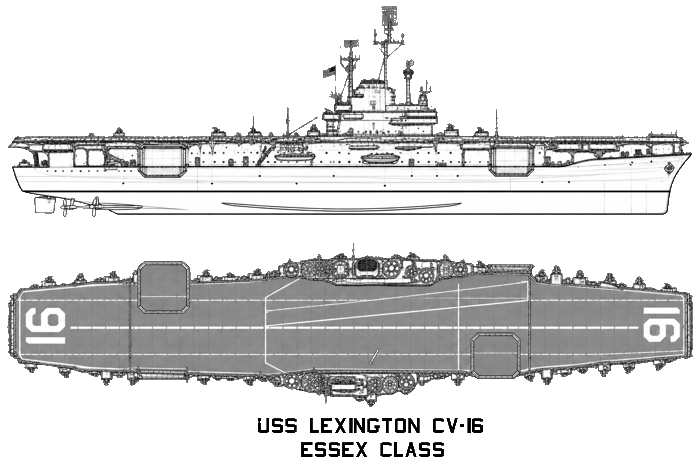
This is an interesting part of VT-20 history because the squadron served aboard two carriers that carried legendary names. Enterprise was the most decorated American warship of World War II.
Lexington carried the name of USS Lexington (CV-2), which had been lost during the Battle of the Coral Sea in 1942. VT-20 sailors now called the new Essex-class Lexington home.
VT-20 Squadron History: Combat From USS Lexington
The change in carriers didn’t mean a reduction in combat operations. From Lexington, VT-20 continued striking Japanese forces throughout the Western Pacific. The squadron participated in operations against targets in and around the Philippines and later joined strikes extending toward the coast of Asia.
VT-20 aircrewman Arthur Kropp later recalled transferring from Enterprise to Lexington and participating in operations involving French Indochina and Hong Kong, as well as surviving a major Pacific typhoon.
On January 15, 1945, VT-20 pilot George Swint III attacked an enemy destroyer near the Pescadores while flying from Lexington. He pressed his attack through heavy antiaircraft fire and scored a hit, an action for which he received the Distinguished Flying Cross.
These operations demonstrate how far American carrier power had advanced since the beginning of the war. VT-20 was now helping take the fight directly toward Japan’s inner defensive perimeter.
Dates: approximately November 23, 1944 – February 2, 1945
Air Group: Carrier Air Group Twenty
Aircraft: TBM-1C Avenger
Theater: Pacific
Operations continued against Japanese forces in the Philippines and across the Western Pacific, including missions toward Formosa, French Indochina and the South China Sea region.
VT-20 Commanding Officers
Three officers commanded the squadron while it carried the VT-20 designation.
LCDR David E. Dressendorfer
Assumed command: October 15, 1943. Dressendorfer was VT-20’s first commanding officer and led the squadron during its earliest organization and training period.
His tenure was relatively brief.
LCDR Samuel L. Prickett
Assumed command: December 27, 1943. Prickett commanded VT-20 through its training in Hawaii and its major combat deployment aboard Enterprise and Lexington.
He was therefore the squadron commander during the critical Battle of Leyte Gulf. LCDR Prickett was among the VT-20 aviators awarded the Navy Cross for action against the Japanese surface force on October 24, 1944.
LCDR James N. Howell Jr.
Assumed command: April 16, 1945. Howell assumed command after VT-20 returned from its Pacific combat deployment.
He remained commanding officer through the end of World War II and into the postwar period. When VT-20 was redesignated VA-10A on November 15, 1946, Howell remained in command.
VT-20 Squadron History: VT-20 Unit and Personal Awards
Awarded as part of Air Group 20 and the USS Lexington (CV-16) carrier operations for extraordinary heroism in action against enemy Japanese forces from September 1943 through August 1945.
VT-20 Squadron History: Notable Individual Combat Decorations
Multiple squadron pilots and crew members received high personal valor awards for strikes against heavy enemy surface and carrier forces in October 1944 (Leyte Gulf) and January 1945:
Navy Cross
- Lieutenant Commander S. L. Prickett
- Lieutenant C. H. H. Dickey
- Lieutenant E. B. Holley
- Lieutenant R. E. McHenry
- Lieutenant Marvin L. Leedom
- Lieutenant Eugene E. Rodenburg
- Ensign W. T. Ross
- Ensign W. J. Schaller
- Ensign Charles Leeper
- LTJG George Swint III
Distinguished Flying Cross
VT-20 Squadron History: The Sailors Behind the Avengers
The story of VT-20 squadron history isn’t simply a story about pilots. Every Avenger that launched from Enterprise or Lexington represented the work of dozens of sailors.
- Aviation machinist’s mates kept the engines running.
- Ordnancemen prepared bombs and torpedoes.
- Radiomen and aerial gunners went into combat alongside the pilots.
- Plane captains inspected their aircraft.
- Other sailors maintained electrical systems, hydraulics, radios, flight controls and countless other components.
One future senior Navy leader who experienced this world firsthand was John D. Whittet, who later became the second Master Chief Petty Officer of the Navy. Master Chief Whittet flew missions with VT-20 from the USS Lexington.
VT-20 Squadron History: VT-20 Returns to the United States
After its combat deployment, VT-20 returned to the United States. The Navy records the squadron at NAS San Diego on February 23, 1945. It subsequently moved through several shore stations:
- NAAF Lewiston — April 16, 1945
- NAS Edenton — June 1945
- NAAS Elizabeth City — November 2, 1945
- NAAS Charlestown — March 21, 1946
Japan surrendered in August 1945, ending the war for which VT-20 had been created. The Navy now faced a different challenge: converting the enormous wartime fleet into a smaller peacetime force. That transformation would also change VT-20.
VT-20 Squadron History: November 1946: VT-20 Becomes VA-10A
On November 15, 1946, Torpedo Squadron Twenty officially ceased to exist under the VT designation. But the squadron itself wasn’t disestablished. Instead, the Navy redesignated it:
Attack Squadron Ten A — VA-10A.
This reflected broader changes taking place throughout Naval Aviation. The specialized torpedo squadron was giving way to the more flexible attack squadron. The lineage continued uninterrupted:
VT-20 → VA-10A
VT-20 Squadron History: Why VT-20 Is Important To VA-95 History
VT-20 existed under that designation for only a little more than three years. But those three years included some extraordinary history.
- The squadron trained in California and Hawaii.
- It went to war aboard USS Enterprise CV-6.
- Its TBM Avengers struck Japanese positions across the Pacific.
- VT-20 participated in the Battle of Leyte Gulf and helped attack the Japanese battleship Musashi in the Sibuyan Sea.
- Its aviators fought through heavy antiaircraft fire and earned multiple Navy Crosses.
- The squadron attacked the Japanese carrier force off Cape Engaño.
- It transferred at sea to USS Lexington and continued fighting.
- Then it returned home and helped make the transition from America’s wartime Navy to the new attack-squadron organization of the postwar era.
For later generations who served with VA-95, that makes VT-20 squadron history an important part of the story behind the designation VA-95. The aircraft changed from Avengers to Skyraiders, Skyhawks and eventually the A-6 Intruder.
VT-20—the squadron where the original VA-95 story began.
Once a Lizard, always a Lizard.

Want more Green Lizard articles like this? Subscribe to our VA-95 All Weather Attack newsletter today and get VA-95-focused news, announcements, and website updates delivered straight to your inbox.