
The Korean Armistice didn’t end VA-95. The squadron remained active and continued operating versions of the Skyraider. In October 1953, VA-95 began receiving the improved AD-6 Skyraider, later redesignated the A-1H.
The story of the VA-95 Skyknights from 1954 to 1964 covers an important but often overlooked period in U.S. Navy aviation history. These were the years between the Korean War and America’s major combat buildup in Vietnam. VA-95 spent much of this decade flying the Douglas AD Skyraider from aircraft carriers operating throughout the Western Pacific.
The Soviet Union and Communist China were expanding their military power. Korea remained divided. Communist and Nationalist Chinese forces faced one another across the Taiwan Strait. Trouble was also growing in Laos and Vietnam. The Navy needed carrier attack squadrons ready to respond.
VA-95 became one of them.
VA-95 Skyknights: The Douglas AD-6 Skyraider
The aircraft that defined VA-95 during much of this period was the Douglas AD Skyraider. VA-95 began receiving the AD-6 in October 1953. The AD-6 was a powerful single-engine attack aircraft. Its large Wright R-3350 radial engine gave the aircraft the power needed to carry a heavy load of bombs, rockets, ammunition, and fuel.
The Skyraider was not fast compared with the Navy’s new jets. But speed was not everything. The aircraft could remain airborne for long periods. It could carry a large weapons load. It was also rugged and well suited for carrier operations. Those qualities kept the Skyraider useful long after jet aircraft began taking over most Navy fighter and attack roles.
In September 1956, VA-95 also began receiving the improved AD-7. Under the Department of Defense aircraft designation system introduced in 1962, these aircraft received new names:
- AD-6 became A-1H
- AD-7 became A-1J
The aircraft did not suddenly change. The designation changed. So when Navy records describe VA-95 flying AD-6 and AD-7 aircraft during the 1950s and A-1H and A-1J aircraft during the 1960s, they are describing members of the same Skyraider family.
USS Hornet: 1954
VA-95’s first major post-Korean War deployment came aboard USS Hornet (CVA-12). The squadron deployed with Carrier Air Group Nine, or CVG-9. The cruise ran from May 11 through December 12, 1954.
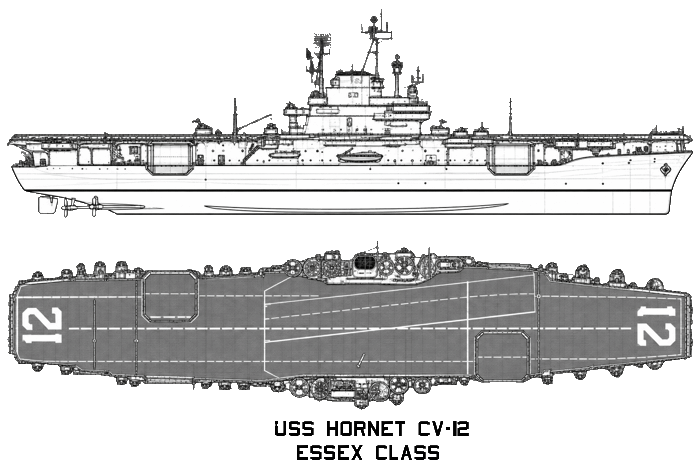
VA-95 operated the AD-6 Skyraider. Hornet was an Essex-class aircraft carrier that had earned a distinguished combat record during World War II. By 1954, she was serving as an attack carrier during the early Cold War. The cruise took VA-95 into the Western Pacific.
Unlike the previous deployment aboard Philippine Sea, VA-95 was no longer attacking North Korean targets. The Korean Armistice had been signed in July 1953. But the region remained dangerous. The United States still had major security concerns involving Korea, Communist China, Taiwan, and Southeast Asia.
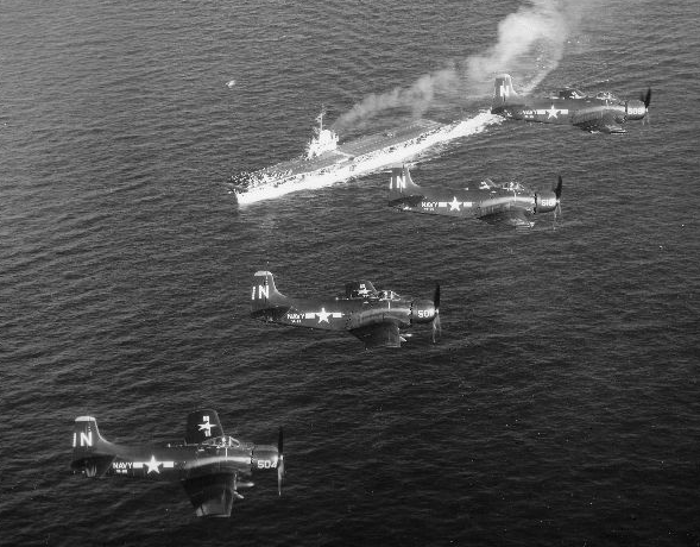
VA-95’s job was readiness. Its pilots practiced navigation, bombing, carrier operations, weapons delivery, and other attack missions. It was Cold War deterrence from an aircraft carrier.
USS Oriskany: 1956
VA-95’s next major deployment came aboard USS Oriskany (CVA-34). Oriskany was another Essex-class carrier, but she incorporated major postwar improvements designed for the jet age.
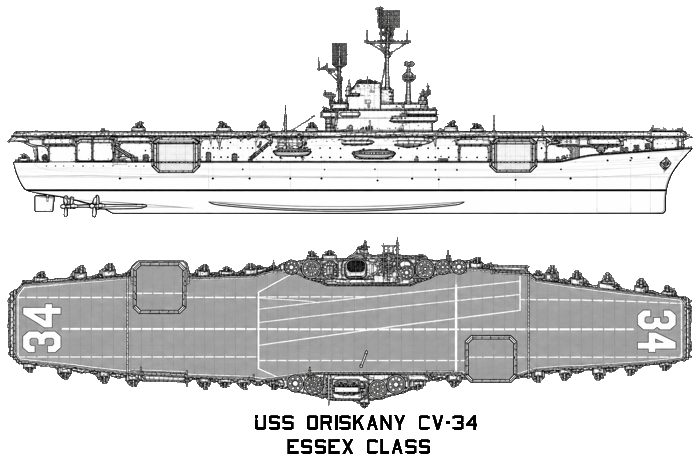
VA-95 again deployed with CVG-9. The cruise ran from February 11 through June 13, 1956. VA-95 was still flying the AD-6 Skyraider.
Oriskany operated with the U.S. Seventh Fleet in the Western Pacific. Navy records describe this deployment as relatively uneventful, which is important when telling the VA-95 story accurately. VA-95 maintained combat readiness through flight operations, carrier qualifications, bombing practice, navigation training, and fleet exercises.
VA-95 Skyknights: The Birth of the VA-95 Skyknights
One of the most important milestones of this period was the development of a new squadron identity. In January 1957, the Navy approved a VA-95 insignia built around the image of a knight’s helmet. The design reflected the squadron’s new identity.
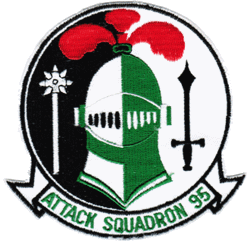
VA-95 became known as the Skyknights. This is an important distinction for historians.
The VA-95 that fought during the Korean War in 1952–1953 was not yet known as the Skyknights. The VA-95 Skyknights identity belongs primarily to the later 1950s and early 1960s.
For sailors who served during these years, the Skyknights name became part of the squadron’s personality. It also fit the changing Navy.
VA-95 was still flying a propeller-driven attack aircraft, but it was operating beside increasingly advanced jet fighters and attack aircraft from modernized carriers.
VA-95 Skyknights: USS Ticonderoga: 1957–1958
The next carrier in the VA-95 Skyknights story was USS Ticonderoga (CVA-14).
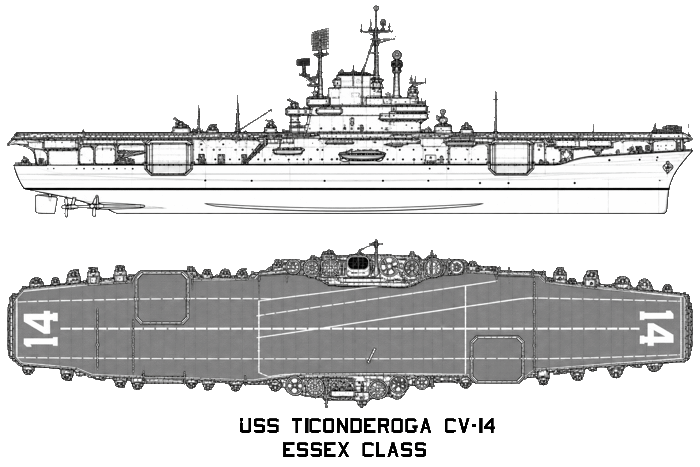
VA-95 deployed aboard Ticonderoga with CVG-9 from September 16, 1957, through April 25, 1958.
The squadron was still firmly in the Skyraider era. By this time, the AD-7 was becoming an important VA-95 aircraft.
Ticonderoga had undergone major modernization before this deployment. The carrier had steam catapults and other improvements needed to operate newer aircraft.
The cruise took the carrier into the Western Pacific. Ticonderoga reached Yokosuka, Japan, in October 1957 and spent the following months operating throughout the region, including waters near Japan and the Philippines.
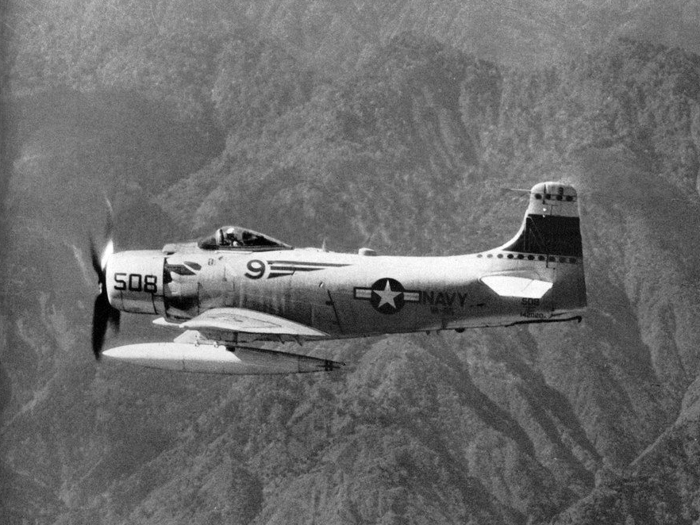
Again, VA-95 did not conduct major wartime combat missions during this cruise. Its mission was presence and readiness.
The Western Pacific remained one of the most important Cold War regions in the world.
- Communist China was a growing military power.
- Taiwan remained under threat.
- Korea remained divided.
- Southeast Asia was becoming unstable.
An American aircraft carrier carrying a trained attack squadron sent a clear message. The United States could respond quickly.
The Operational History Of VA-95: 31 Incredible Years Of Naval Making History
VA-95 Skyknights: VA-95 Moves to USS Ranger – 1960
In 1960, the VA-95 Skyknights began an important new chapter.
The squadron moved aboard USS Ranger (CVA-61).
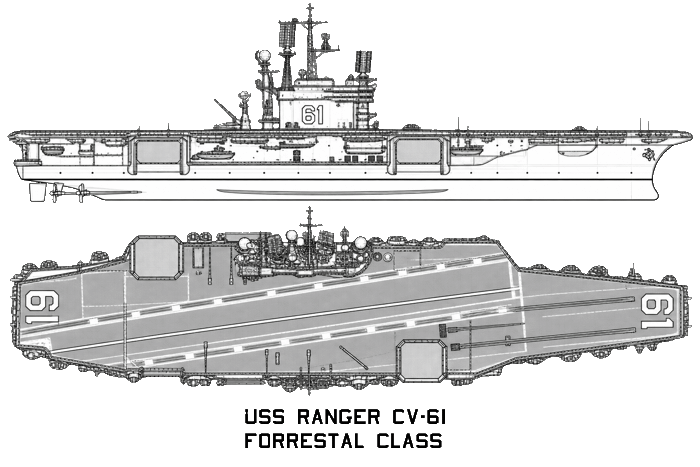
Ranger was a Forrestal-class supercarrier and represented a major step forward from the Essex-class carriers VA-95 had previously used. She was larger, faster, and designed from the beginning around modern jet-age carrier aviation.
VA-95 would make several deployments aboard Ranger. This partnership carried the Skyknights from routine Cold War operations into the opening stages of the Vietnam War.
VA-95’s first Ranger deployment ran from February 6 through August 30, 1960. The squadron remained assigned to CVG-9. VA-95 flew Skyraiders, with the AD-7 especially associated with this cruise.
The deployment took Ranger and her air group into the Western Pacific. VA-95 trained alongside jet-powered squadrons flying newer aircraft. This created an interesting contrast. The Skyraider came from the final generation of large piston-engine Navy attack aircraft.
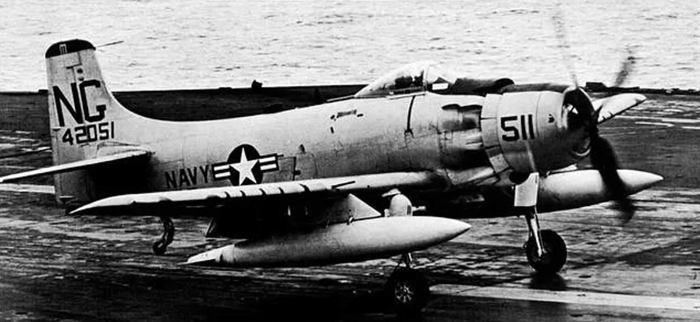
Ranger represented the new generation of American supercarrier. Yet the two worked well together. The Skyraider still offered something many early jets could not match: long endurance and a heavy attack load.
VA-95 Skyknights: Ranger Again: 1961–1962
VA-95 returned to USS Ranger for another Western Pacific deployment beginning August 11, 1961. The cruise ended March 8, 1962.
Once again, VA-95 served with CVG-9 and operated the Skyraider. This was a period of growing international tension. The Cold War was becoming more dangerous.
Southeast Asia was also moving closer to crisis. South Vietnam faced an expanding Communist insurgency. North Vietnam was increasing support for Communist forces in the south. Laos was unstable.
American military involvement in the region was increasing. VA-95 was not yet fighting the Vietnam air war during this cruise, but the squadron was operating in the region where that war would soon dominate American naval operations.
Ranger: 1962–1963
VA-95 began another Ranger deployment on November 9, 1962. It ended June 14, 1963.
The squadron remained with CVG-9 and operated the A-1H and A-1J Skyraider. This cruise became more significant because of events in Laos.
On May 1, 1963, Ranger moved into the South China Sea to support contingency operations connected with the worsening political and military situation in Laos. The Pathet Lao Communist movement was gaining ground, raising fears that the conflict could expand.
Ranger stood ready.
The crisis eased within several days, and the carrier returned to its normal Seventh Fleet schedule. VA-95 did not launch a major combat campaign during the crisis. But the event was important.
It showed how quickly a carrier and its air group could be moved toward a trouble spot. It also pointed toward the future. Laos would soon become an important battlefield in the larger Vietnam conflict.
From CVG-9 to CVW-9
Another Navy-wide change took place as VA-95 approached the Vietnam era. Carrier Air Group Nine became Carrier Air Wing Nine, or CVW-9. The change reflected the Navy’s decision to replace the old Carrier Air Group designation with Carrier Air Wing.
For VA-95, the organization remained central to squadron operations. The Skyknights had spent years deploying as part of CVG-9. Now they would go toward Vietnam as part of CVW-9.
A Decade of VA-95 Carrier Deployments
From 1954 through 1964, VA-95’s major carrier deployments included:
- USS Hornet (CVA-12), May 11–December 12, 1954 — CVG-9 — AD-6 Skyraider — Western Pacific
- USS Oriskany (CVA-34), February 11–June 13, 1956 — CVG-9 — AD-6 Skyraider — Western Pacific
- USS Ticonderoga (CVA-14), September 16, 1957–April 25, 1958 — CVG-9 — Skyraider — Western Pacific
- USS Ranger (CVA-61), February 6–August 30, 1960 — CVG-9 — AD-series Skyraider — Western Pacific
- USS Ranger (CVA-61), August 11, 1961–March 8, 1962 — CVG-9 — AD-series Skyraider — Western Pacific
- USS Ranger (CVA-61), November 9, 1962–June 14, 1963 — CVG-9 — A-1H/A-1J Skyraider — Western Pacific
The final Ranger deployment continued into 1965 and would carry VA-95 into Flaming Dart, Rolling Thunder, and direct Vietnam War combat.
VA-95 Skyknights: From Skyknights to Green Lizards
The VA-95 Skyknights identity did not last forever. In 1962, the squadron got a new identity: the Green Lizards.
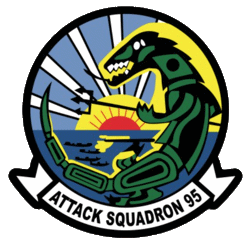
The change came as VA-95 itself was entering a new operational era. The Cold War readiness cruises of the 1950s had prepared the squadron for what came next.
By late 1964, VA-95 was supporting reconnaissance and conducting strikes in Laos.
In February 1965, the squadron would participate in Operation Flaming Dart II.
In March, VA-95 would participate in Operation Rolling Thunder strikes against North Vietnam.
The Skyraider would soon give way to the A-4 Skyhawk.
But the years from 1954 through 1964 were what prepared the squadron for that transition.
VA-95 Skyknights: Why the VA-95 Skyknights Era Matters
The VA-95 Skyknights years tell the story of a Navy attack squadron adapting to a changing world. In 1954, VA-95 was a recently combat-tested Korean War squadron flying AD-6 Skyraiders.
It operated from Essex-class carriers such as Hornet, Oriskany, and Ticonderoga. Then came Ranger. The large Forrestal-class carrier represented the future of American naval aviation.
Yet VA-95’s propeller-driven Skyraiders continued to provide a valuable attack capability from its deck. During these years, VA-95 operated throughout the Western Pacific, maintained readiness near some of the most dangerous Cold War trouble spots, stood by during the 1963 Laos crisis, and finally began reconnaissance-support and strike operations over Laos in 1964.
That makes the VA-95 Skyknights era more than a quiet period between Korea and Vietnam. It was the bridge between the two wars.
The sailors and aviators who served with VA-95 during these years took a proven Korean War attack squadron, maintained its combat readiness for a decade, and prepared it for the difficult air war that was about to begin over Southeast Asia.
From Hornet to Oriskany, from Ticonderoga to Ranger, and from the AD-6 to the A-1J, the VA-95 Skyknights helped carry U.S. Navy attack aviation from the 1950s into the Vietnam era.
Once a Lizard, always a Lizard.

Want more Green Lizard articles like this? Subscribe to our VA-95 All Weather Attack newsletter today and get VA-95-focused news, announcements, and website updates delivered straight to your inbox.